âI want to be able to look at a rocket launch and say, âI touched a piece of this.ââ
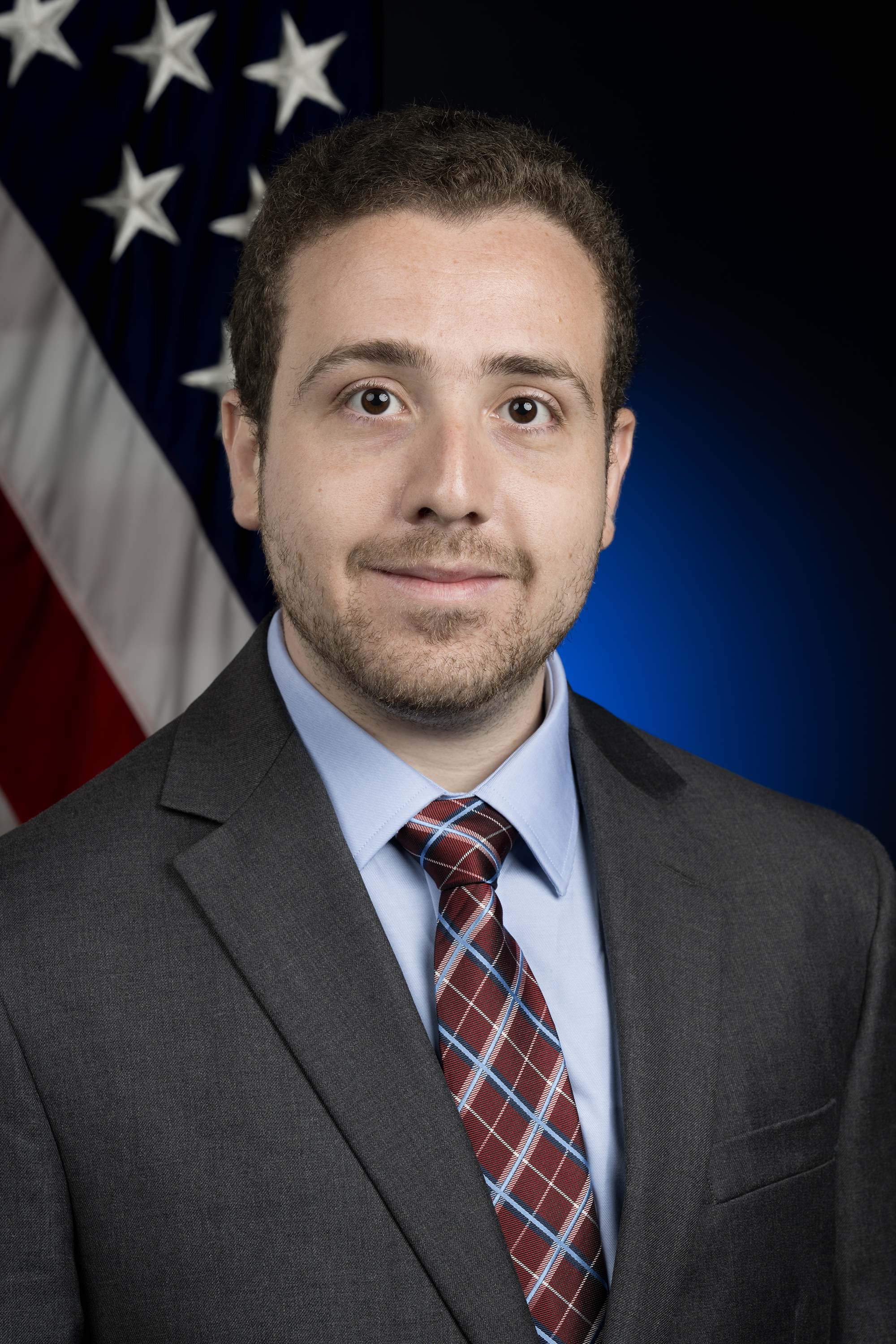
Thatâs how Richard Spolzino describes the thing heâs chasing. Not a title, not a specific mission, not even NASA itself, just the ability to point at something real and know his work made it possible. At NASAâs Langley Research Center in Hampton, Virginia, Spolzino works within Moon Baseâs mission architecture and systems interoperability effort, helping identify what NASA still doesnât know about the Moon and Mars, and making sure that missing information gets found before it becomes a problem.
âFor me, it kept coming back to where can I have the most impact? Where can my work touch the most things?â
From History to Aerospace
Spolzino didnât set out to end up here.
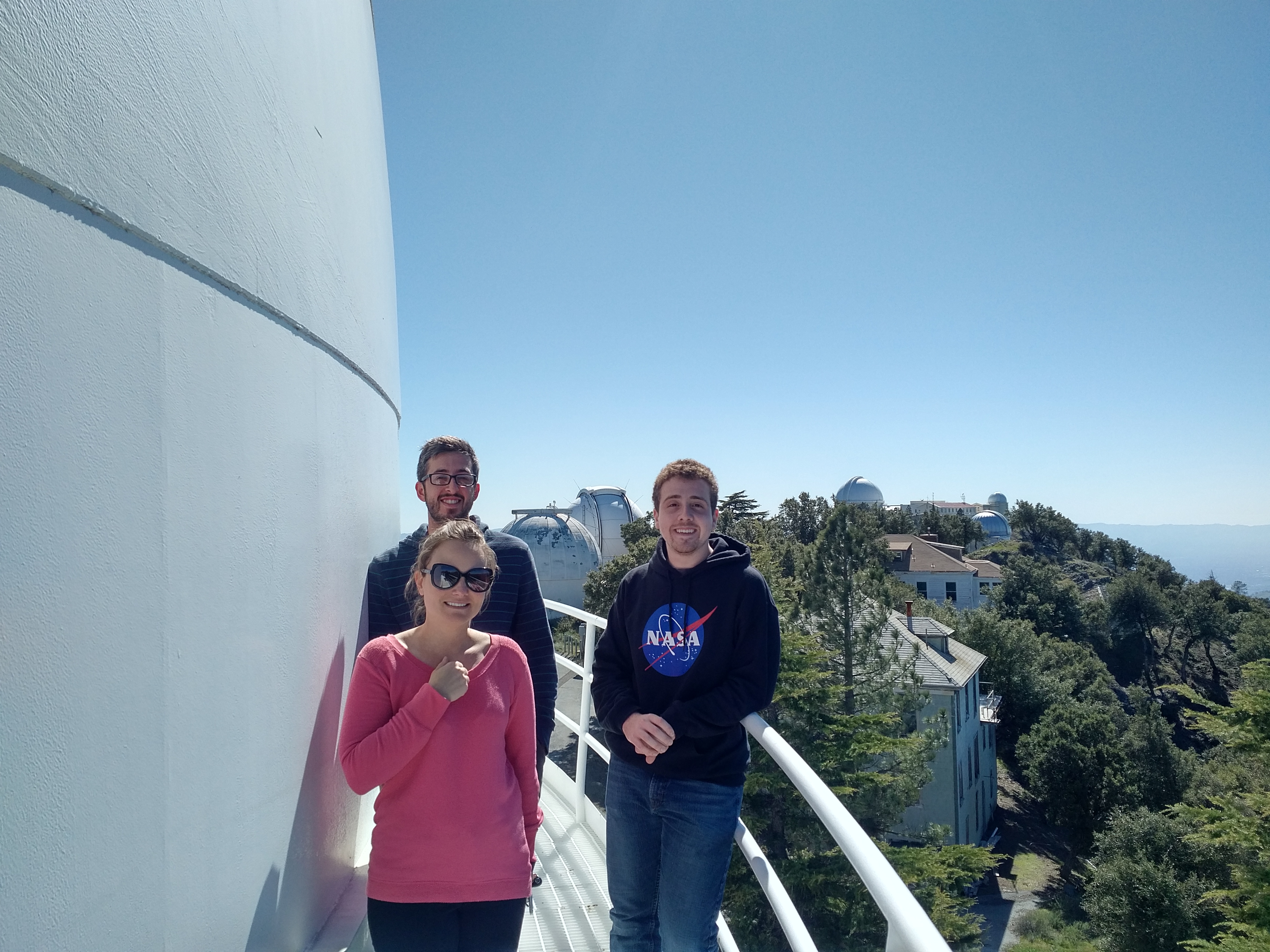
He started college as a history major. He switched to a physics track at Santa Clara University, thinking heâd end up in astrophysics. A research stint at Lick Observatory studying interstellar dust polarization taught him two things: the work was fascinating and, âI donât think the staying-up-all-night thing is for me,â he says.
After graduation, he started down the path of Officer Candidate School in the Navy, hoping to fly jets. It didnât pan out, and that detour led him to a graduate program at the University of Houston, combining aerospace engineering and space architecture â not the habitat-design kind of architecture people usually picture, but the systems-level kind, where a lunar oxygen plant connects to the rovers that feed it, which connect to the processor, which connects to the user drawing down the resource. âI was always more attracted to how all the pieces work together than to any single piece,â he says.
Chasing Impact
Ask Spolzino if he dreamed of working at NASA, and the honest answer is no.
âI really admire people whoâve had that drive their whole life,â he says. âFor me, it kept coming back to where can I have the most impact? Where can my work touch the most things?â A University of Houston program with strong ties to Johnson Space Center put NASA on his radar alongside other options in industry and government. What ultimately drew him in wasnât the agencyâs name, it was the scope of the problems and the direct line he saw to senior decision-makers shaping the return to the Moon.
Thatâs also, he adds, exactly why NASA is worth considering for people who arenât sure itâs their calling yet. The culture rewards people willing to take on more than their assigned lane and gives early-career employees room to grow into problems bigger than their job description, something he says he might not have found moving up more slowly in industry.
Documenting the Missing Piece
Spolzinoâs day-to-day work centers on a deceptively simple idea: the data gap.
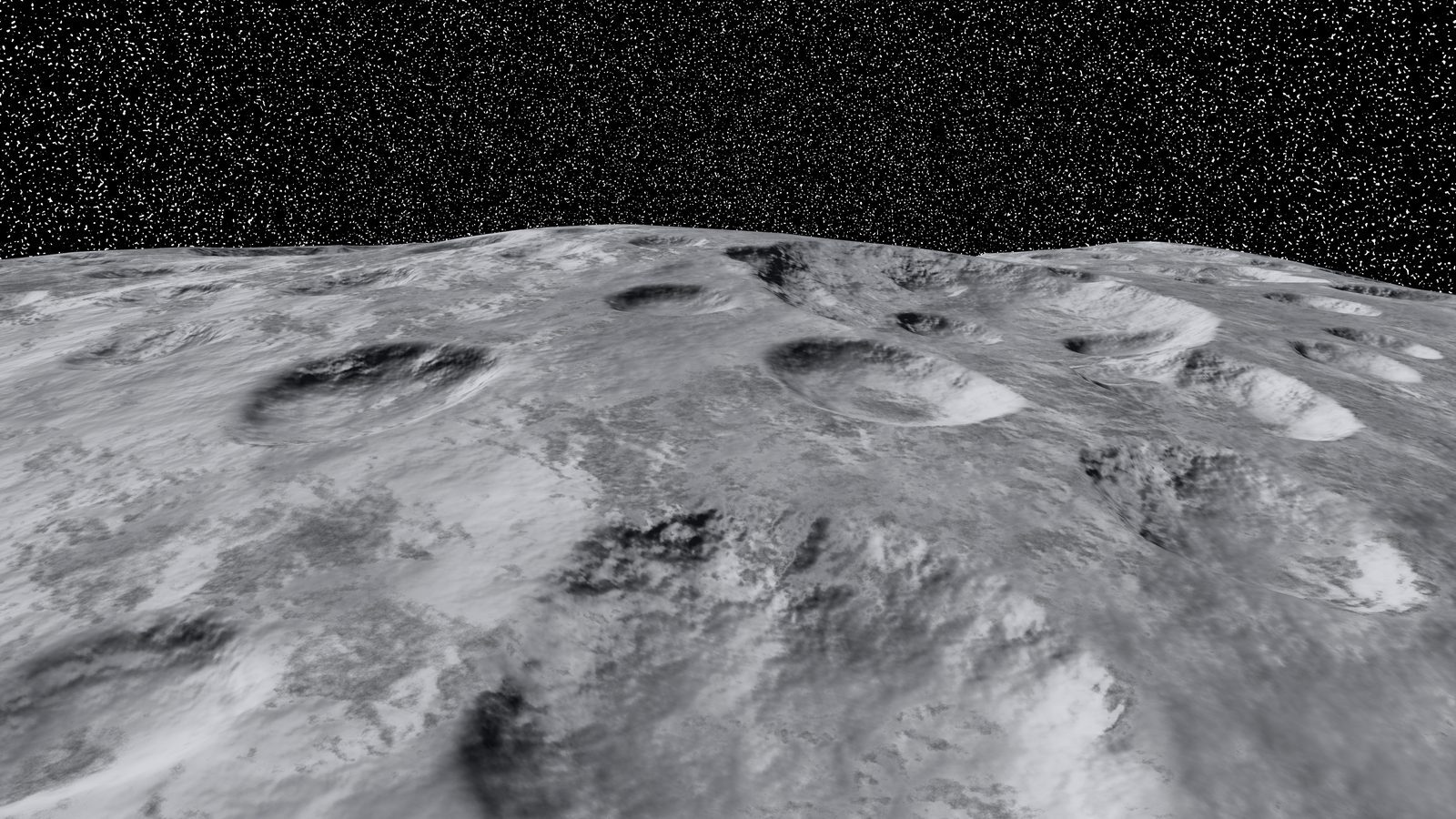
âYou can think of it as synonymous with a knowledge gap,â he explains. âItâs a way of documenting the thing we donât know.â Take the geotechnical properties of lunar regolith â moon dust, essentially, but the specifics matter enormously. How much weight can it bear? Whatâs its shear strength? Answering those questions shapes everything from how far a rover can safely drive to whether a habitatâs foundation will hold.
A data gap lays that out formally: what we donât know, why it matters, what we currently have that falls short, and, critically, a specific measurable target industry and international partners can aim for. âOnce weâve identified whatâs missing,â he says, âour partners can look at that list and see exactly where their contribution would be valuable.â
His team started with roughly 25 published data gaps last year. Theyâre on track for 60 by the end of this year.
From Concept to Cargo
The concept only matters if it changes decisions, and Spolzino cites two recent examples where it did.
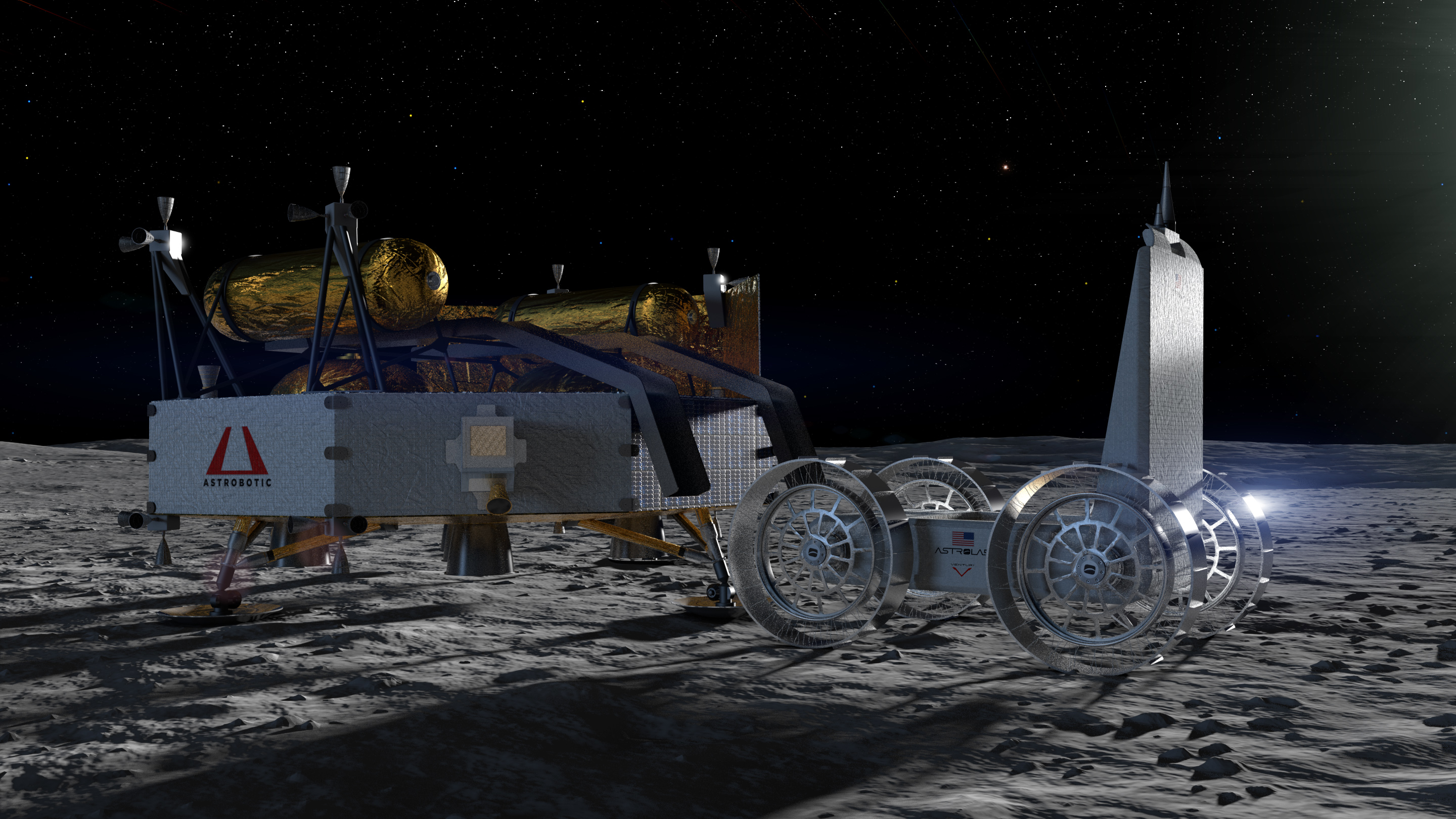
When the lunar lander company now known as Voyager (formerly Astrobotic) was preparing its upcoming Griffin-1 mission, the team didnât help them figure out what instruments to fly since that was already locked in. Instead, Spolzinoâs team helped them prioritize what data gets sent home first through a communication pipeline that canât carry everything at once. âHow do you prioritize all the things you say you want, and what gets sent back through that constrained pipeline?â he asks.
On the other side of the pipeline, Spolzino has spent recent months evaluating proposed instruments (spectrometers, sample collection tools, tech demonstrations) against the published data gaps to help leadership decide whatâs worth flying. Some proposals map cleanly onto a documented need. Others donât align with anything NASA has said itâs missing. âThatâs used to filter down what gets pushed forward as a real candidate,â he says. Industry partners have taken notice, and leadership now asks companies pitching new instruments to show how their proposal maps to a data gap before the conversation goes any further.
Figuring It Out Takes Work
Spolzino admits the job reshaped an assumption he carried out of graduate school â that NASA had everything figured out, and that the agencyâs reputation meant every question already had an answer somewhere inside its walls.
Three years in, he sees it differently. âKeeping the kind of reputation NASA has takes constant, deliberate work,â he says. âEveryoneâs genuinely trying to pull in the right direction, but itâs not automatic.â That realization was clarifying for him. The agency runs on people figuring things out in real time, which means thereâs room for someone early in their career to contribute meaningfully, rather than just executing someone elseâs playbook.
His advice to students considering NASA is practical, not sentimental: Grades matter less than people think. âThe projects you work on, and the results of that work, are what people look at first,â he says. His advice is to join clubs, take on real projects, and build something. âItâs less about credentials and more about giving yourself something to show up with.â
On Spolzino’s Sci-Fi Shelf
The Three-Body Problem trilogy by Liu Cixin
Spolzino was already deep into the second book, The Dark Forest, on a flight from New York to Houston when the plane was diverted to San Antonio. âI did not care that I was three or four hours late,â he says. âI had that book, and I was just devouring it.â
Kerbal Space Program
An older game, but a formative one. Spolzino credits it with cementing his interest in space before college even started. âItâs a space program simulator where you build rockets piece by piece, and the physics are simplified but accurate enough that youâre doing a lot of the same math as an actual mission design tool,â he says. âThat really had a huge impact on me figuring out that space was the thing I wanted to do.â
Part of the Systems Analysis and Concepts Directorate at NASAâs Langley Research Center.
Learn more about our work by visiting our website.
Source: NASA