
Top Stories










Latest News
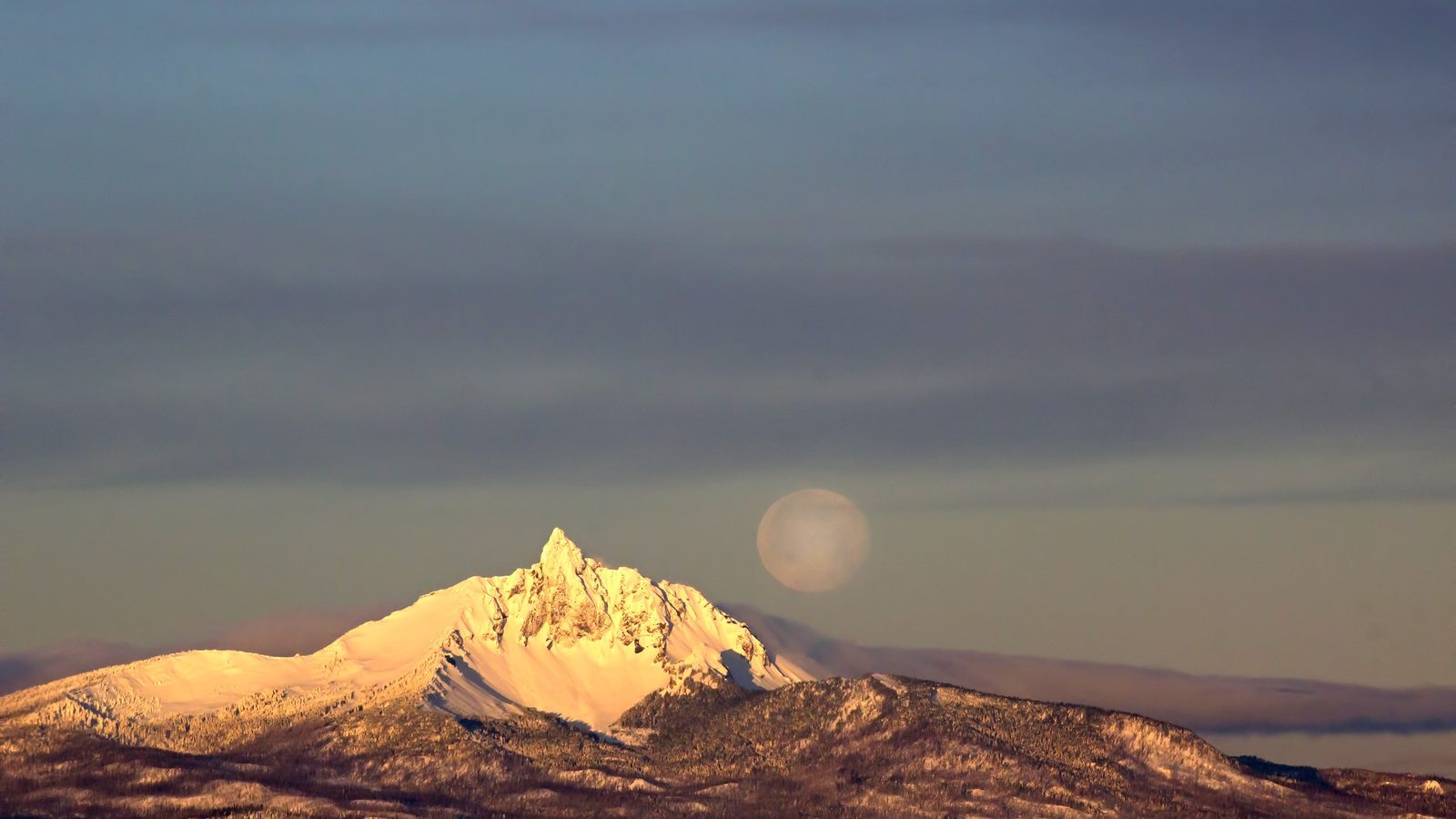
New research shows prehistoric lake contributed to the birth of the Grand Canyon
RESTON, Va. — A new collaborative study led by the U.S. Geological Survey provides strong evidence that the Grand Canyon was carved out by spillover flooding from ancient Lake Bidahochi, a large lake fed by the ancestral Colorado River. The lake’s eventual spillover likely helped establish the course of the Colorado River.
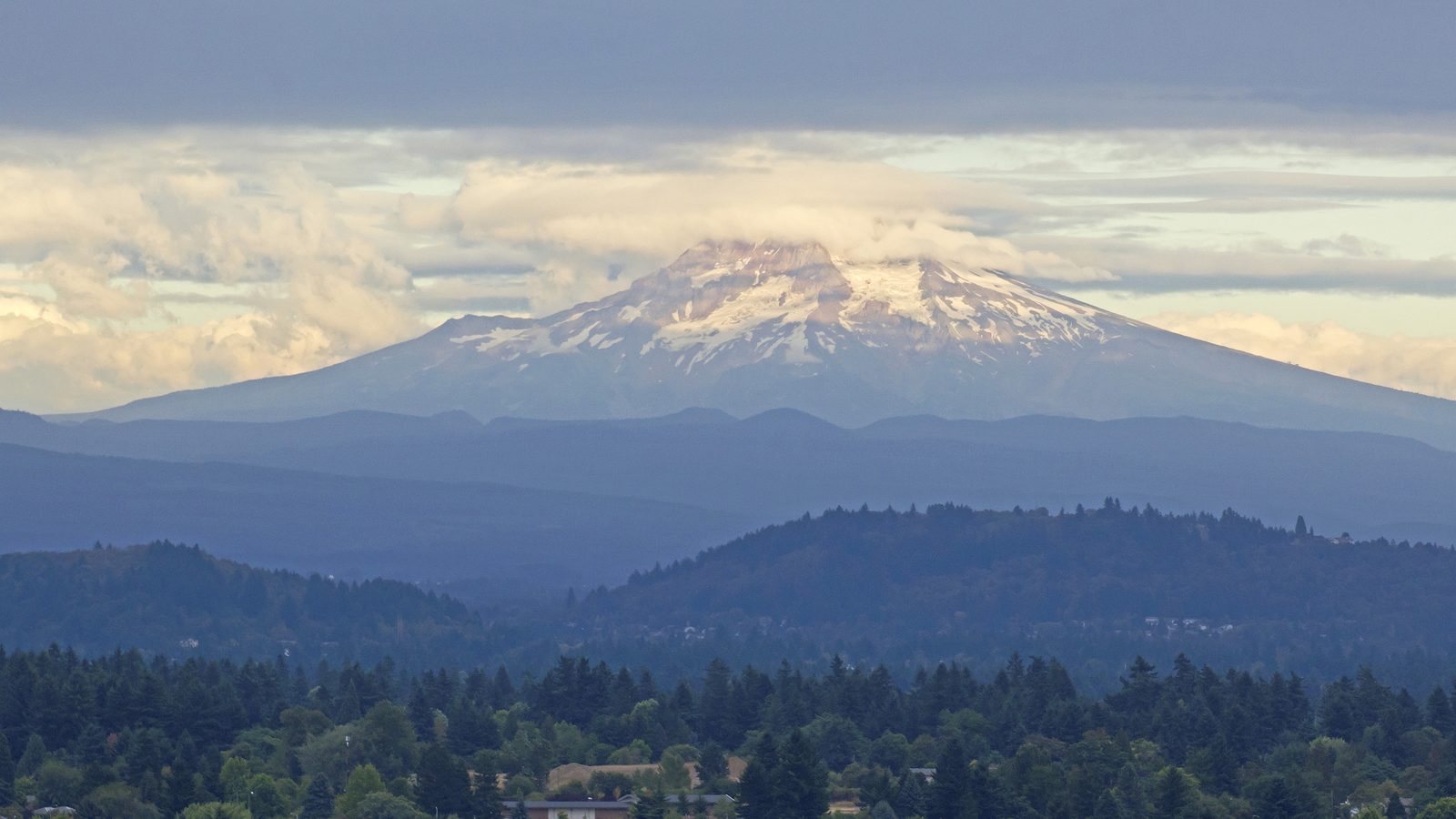
New Nationwide Tool Helps Answer: Do We Have Enough Water?
RESTON, Va. — The U.S. Geological Survey released the first nationwide tool to help water planners determine if communities have enough water for current and future needs.
Lithium in Eastern States Could Replace Imports for a Century or More
RESTON, Va. — The Appalachian region of the eastern United States contains an estimated 2.3 million metric tons of undiscovered, economically recoverable lithium, enough to replace 328 years of U.S. imports at last year’s level, according to new research by the U.S. Geological Survey.

USGS releases assessment of undiscovered oil and gas resources in Bossier Formation of Gulf Coast
RESTON, Va. — The U.S. Geological Survey released its assessment of undiscovered gas and oil in the Bossier Formation along the Gulf Coast, assessing that there are technically recoverable resources of 343.5 trillion cubic feet of gas – enough to supply the United States for more than 10 years at the current rate of consumption –…

USGS, NASA Map Critical Minerals from 65,000 Feet
COLORADO SPRINGS, Colo. — The U.S. Geological Survey and NASA announced an addition to the world’s largest airborne hyperspectral survey – a digital portrait of critical minerals and geology in the American West, taken from 12 miles up.

USGS: Lithium in Carolinas Could Replace Imports for a Century or More
RESTON, Va. — The southern Appalachian region of the eastern United States contains an estimated 1.43 million metric tons of undiscovered, economically recoverable lithium oxide, enough to replace 201 years of U.S. imports at last year’s level, according to new research by the U.S. Geological Survey.

USGS Releases Assessment of Undiscovered Oil and Gas Resources in Buda Limestone of Texas
RESTON, Va. — The U.S. Geological Survey released its assessment of undiscovered gas and oil in the Buda Limestone formation near the Texas Gulf Coast, assessing that there are technically recoverable resources of 184 billion cubic feet of gas and 12 million barrels of oil.

Consumer Financial Protection Bureau: Small Business Lending Under the Equal Credit Opportunity Act (Regulation B)
GAO reviewed the Consumer Financial Protection Bureau’s (CFPB) new rule entitled “Small Business Lending Under the Equal Credit Opportunity Act (…

Environmental Protection Agency: Standards of Performance for New Stationary Sources and Emission Guidelines for Existing Sources: Large Municipal Waste Combustors Voluntary Remand Response and Five-Year Review
GAO reviewed the Environmental Protection Agency’s (EPA) new rule entitled “Standards of Performance for New Stationary Sources and Emission…

Department of the Treasury, Office of the Comptroller of the Currency: National Bank Non-Interest Charges and Fees
GAO reviewed the Department of the Treasury, Office of the Comptroller of the Currency’s (OCC) new rule entitled “National Bank Non-Interest Charges…

Department of Health and Human Services, Centers for Medicare & Medicaid Services: Medicare Program; Strengthening Oversight of Accrediting Organizations (AOs) and Preventing AO Conflicts of Interest, and Related Provisions
GAO reviewed the Department of Health and Human Services, Centers for Medicare & Medicaid Services’ (CMS) new rule entitled “Medicare Program;…

Nuclear Regulatory Commission: Fee Schedules; Fee Recovery for Fiscal Year 2026
GAO reviewed the Nuclear Regulatory Commission’s (NRC) new rule entitled “Fee Schedules; Fee Recovery for Fiscal Year 2026.” GAO found that the…